
Top 10 Digital Marketing Trends in 2026
Lorem ipsum dolor sit amet, consectetur adipiscing elit. Ut elit tellus, luctus nec ullamcorper mattis, pulvinar dapibus leo.
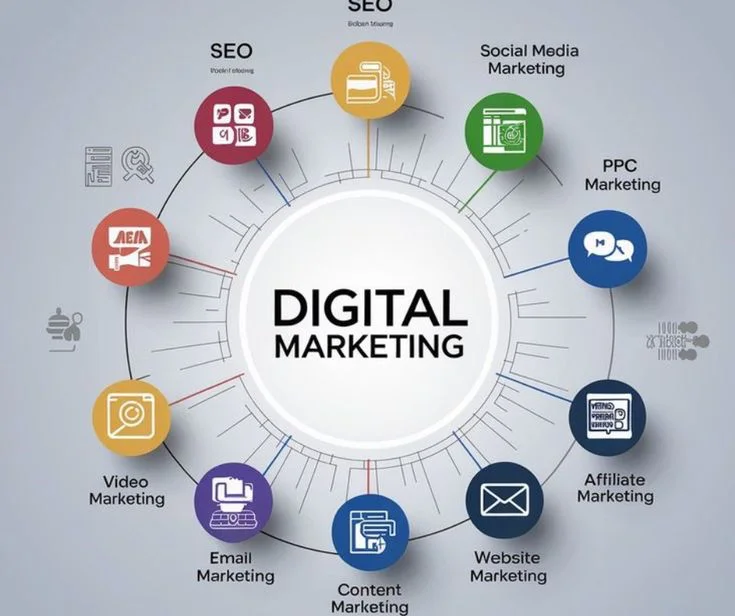
Digital marketing is the process of promoting products, services, and brands through online channels. Today, people spend a large part of their time on search engines, social media platforms, websites, email, and other digital channels. This gives businesses an opportunity to reach potential customers where they already spend their time.
Unlike traditional marketing, digital marketing allows businesses to communicate with their audience quickly and measure the performance of their campaigns. Businesses can understand how many people viewed an advertisement, visited a website, clicked a link, or contacted them.
Why Is Digital Marketing Important?
Digital marketing is important for businesses of all sizes. A small business can use online marketing to reach local customers, while a larger company can target audiences across different cities or countries.
One of the biggest advantages of digital marketing is its ability to reach the right audience. Businesses can create content and advertisements based on factors such as location, interests, age, and online behaviour. This can make marketing more relevant and effective.
Digital marketing can also help businesses build brand awareness. When customers regularly see useful content from a business, they become more familiar with the brand. Over time, this familiarity can help create trust and encourage customers to choose the business when they need a particular product or service.
Major Types of Digital Marketing
There are several important areas of digital marketing. Each one can play a different role in an online marketing strategy.
Search Engine Optimization (SEO):
SEO helps websites appear higher in search engine results when people search for relevant information, products, or services. Good SEO involves creating useful content, using relevant keywords, improving website structure, and providing a better user experience.
Social Media Marketing:
Social media marketing uses platforms such as Instagram, Facebook, YouTube, LinkedIn, and other networks to connect with audiences. Businesses can share posts, videos, stories, offers, and educational content to build relationships with customers.
Content Marketing:
Content marketing focuses on creating valuable and useful content. Blog posts, articles, videos, guides, infographics, and social media posts can help answer customer questions and establish a business as a trusted source of information.
Email Marketing:
Email marketing allows businesses to communicate directly with existing and potential customers. Businesses can use emails to share updates, offers, useful information, new products, and important announcements.
Pay-Per-Click Advertising (PPC):
PPC advertising allows businesses to display paid advertisements on search engines and other online platforms. Businesses generally pay when someone clicks on their advertisement. When planned carefully, PPC can help bring targeted visitors to a website.
Benefits of Digital Marketing
Digital marketing offers several benefits. It can help businesses reach a wider audience, increase website traffic, generate leads, improve brand awareness, and build stronger customer relationships.
Another important benefit is measurable performance. Businesses can use analytics tools to understand which campaigns are working and which areas need improvement. This allows marketers to make better decisions based on data rather than relying only on assumptions.
Digital marketing can also be more flexible than traditional advertising. Businesses can adjust their content, advertisements, budgets, and strategies based on the results they receive.
How to Build a Digital Marketing Strategy
A successful digital marketing strategy starts with clear goals. A business should first decide what it wants to achieve, such as increasing website visitors, generating enquiries, improving sales, or building brand awareness.
The next step is understanding the target audience. Knowing what customers need, what questions they ask, and which platforms they use can help a business create more effective content.
Businesses should then choose the right digital marketing channels. A combination of SEO, social media, content marketing, email marketing, and paid advertising can be used depending on the business goals.
Finally, performance should be measured regularly. Reviewing website traffic, engagement, leads, conversions, and other important metrics can help businesses improve their digital marketing strategy over time.
Conclusion
Digital marketing has become an essential part of modern business growth. With the right strategy, businesses can reach their target audience, build trust, increase online visibility, and create long-term customer relationships. Whether you are a small business owner or a growing company, learning the basics of digital marketing can help you build a stronger online presence and achieve your business goals.